
One flat fee per engagement No hourly billing
Oklahoma County real estate investor planning

Oklahoma County Real Estate Investor Attorney

Entity structure, deeds, trusts, and succession planning for Oklahoma County investors. Built so your rentals stay out of court and stay workable for your family without losing the operational flexibility you need to keep investing.

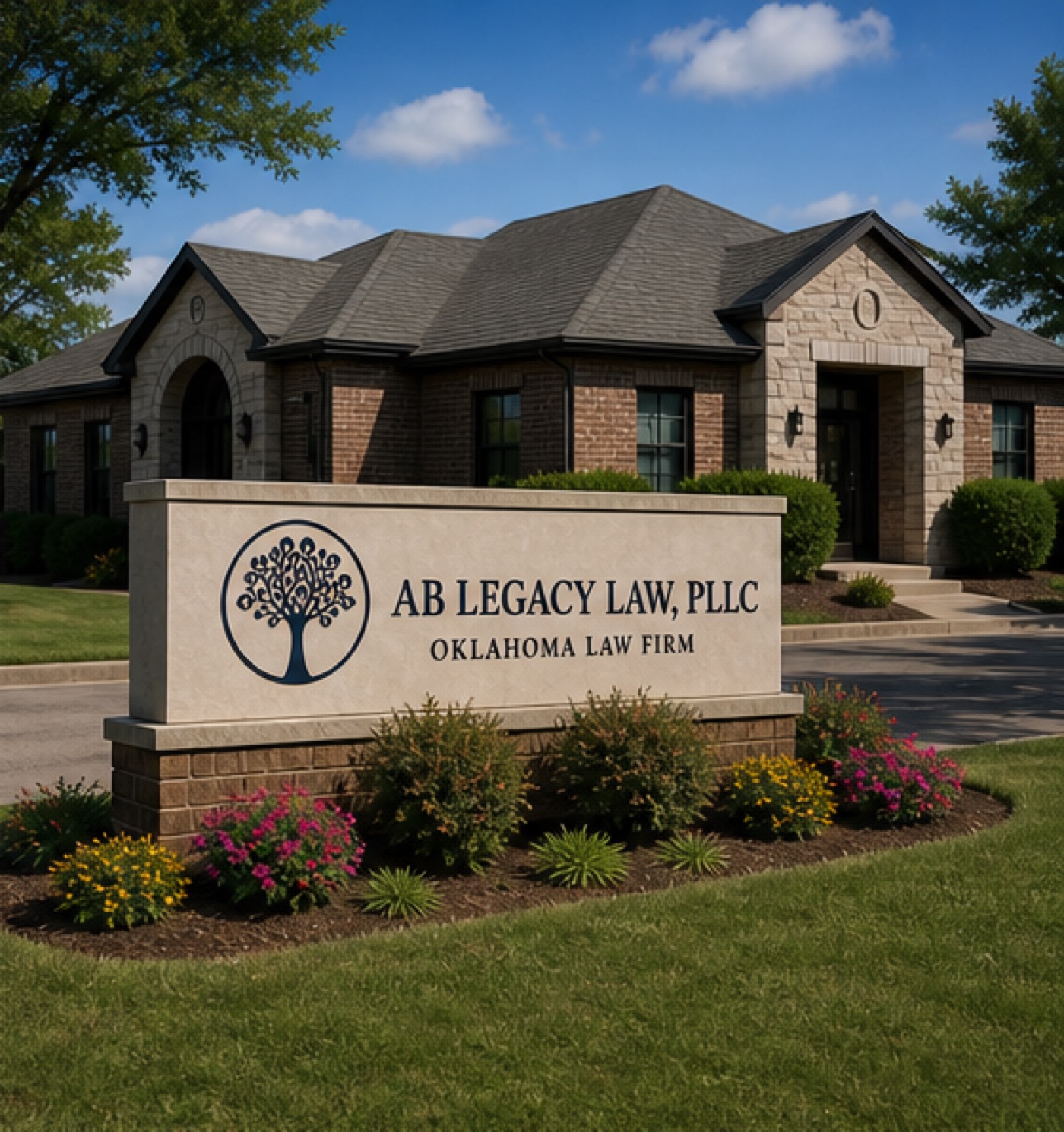
AB Legacy Law Edmond office

Have a question about your situation?

Aaron personally responds to every inbound message.

Oklahoma County real estate investors live in a different legal world than most estate planning clients. The portfolio looks different. The risks look different. The questions about ownership, transfer, refinancing, succession, and family inheritance are layered on top of an active operating business, not bolted onto a static estate. A plan that works for an Oklahoma County investor with eight rentals across the metro is not the same plan that works for a homeowner with a paid-off house and two grown kids.

What we focus on with Oklahoma County investor clients is the legal infrastructure (entities, deeds, operating agreements, trust integration, succession documents) so that the business survives the things life throws at it (incapacity, death, partner disputes, divorce, lawsuits, sales) without converting a productive portfolio into a probate problem at Oklahoma County District Court.

Entity structure for Oklahoma County investors

  • Personal name: simplest, cheapest, worst for liability and succession. Probate at death.
  • Single-member LLC per property: cleanest liability segregation, highest administrative cost.
  • Multi-property LLC: two or more properties in one LLC, balancing cost and liability. Appropriate for properties with similar risk profiles.
  • Tiered structure: operating LLCs holding properties, owned by a holding LLC or revocable trust. Used for larger Oklahoma County portfolios.
  • Series LLC: available in Oklahoma in some forms. Useful for certain investors but with lender and recognition issues that need careful evaluation.

Deeds and titling at the Oklahoma County Clerk

The deed transferring property into an LLC or trust matters as much as the entity. Common Oklahoma County pitfalls:

  • Quitclaim deeds where a warranty deed is needed (or vice versa)
  • Title insurance gaps after a transfer to an LLC, especially relevant if you ever need to make a claim
  • Lender notice issues when residential mortgages are transferred without the lender's awareness
  • Filing failures: deed signed but never recorded, or recorded incorrectly
  • Spousal homestead concerns when a personal residence is transferred and Oklahoma homestead protections apply

We handle deed preparation and recording with the Oklahoma County Clerk, coordinating with title insurance and lenders where relevant.

Operating agreements for Oklahoma County investor LLCs

Standard formation services often produce a generic operating agreement that doesn't match how an investor actually operates. For an Oklahoma County rental LLC, the agreement should address management structure, capital contributions and distributions, transfer restrictions, buyout mechanics, death and incapacity provisions, and dispute resolution.

Probate avoidance for Oklahoma County rental properties

Real estate is one of the assets most likely to require probate at Oklahoma County District Court if it's owned in an individual's name at death, and probate of a rental portfolio is more painful than probate of a personal residence. Tenants are still calling. Mortgages are still due. Repairs need to be authorized. Bank accounts may be frozen.

The clean solution is generally a revocable living trust that owns the LLC interests, with the investor as trustee during life. At death or incapacity, the successor trustee steps in to operate the trust, which already owns the LLCs, which already own the Oklahoma County properties. Operations don't break. No probate.

Succession across Oklahoma County generations

Many Oklahoma County investors are building portfolios with the intent of eventually passing them to children. That involves how and when ownership transfers, whether children are equally suited to manage real estate, coordination with tax planning including step-up basis at death, keeping operations running through the transition, and addressing the spouses, children, and ex-spouses of the next generation. We don't try to predict the family's life thirty years out, but we build in flexibility.

Cities we serve in Oklahoma County for investor planning

Build the legal structure your Oklahoma County portfolio deserves

Aaron personally responds to every inbound message.

Oklahoma County real estate investor FAQs

Should every Oklahoma County rental property be in its own LLC?

Sometimes, but not always. Single-property LLCs offer the cleanest liability segregation but carry administrative costs that add up across a larger portfolio. Many Oklahoma County investors use a tiered approach: individual LLCs for higher-value or higher-risk properties, a smaller number of LLCs grouping lower-risk properties, all owned by a holding entity or revocable trust. The right structure depends on portfolio size, equity, risk profile, and the investor's appetite for administrative complexity.

Where do I record an Oklahoma County deed when transferring property to my LLC or trust?

Deeds for Oklahoma County real estate are recorded with the Oklahoma County Clerk. The clerk's office is at 320 Robert S. Kerr Avenue, Suite 203, in downtown Oklahoma City. Recording fees are statutory. We prepare the deed, coordinate with title insurance and lenders where relevant, and file with the clerk. For properties in other Oklahoma counties (a Cleveland or Logan county lake house, for instance), we file with the appropriate county clerk for that property.

Will my lender allow me to put an Oklahoma County rental in an LLC or trust?

It depends. Most residential loans contain a 'due-on-sale' clause that technically allows the lender to call the loan if title transfers. In practice, lenders usually accept transfers to a revocable trust under the federal Garn-St. Germain Act for owner-occupied properties, and many accept transfers to an LLC for investment properties. Some don't. Refinancing into investor financing is a separate conversation. We coordinate with the investor and, when needed, with the lender before transferring title.

How do trusts and LLCs work together for an Oklahoma County investor?

Common structure: each property is owned by an LLC for liability protection. The LLC membership interests are owned by your revocable living trust for probate avoidance and continuity. You manage as trustee. At incapacity or death, your successor trustee steps in cleanly: the LLCs keep operating, the rental income keeps flowing, no probate, no court-supervised handover. Done right, it's seamless. Done wrong, it can break liability protection or create lender issues.

What's a transfer-on-death deed for an Oklahoma County rental?

Oklahoma allows transfer-on-death (TOD) deeds for real property: a recorded deed that automatically passes the property to a named beneficiary at death, outside probate. It's useful in specific situations: a single Oklahoma County rental, an investor without other estate planning needs, or a property that doesn't fit cleanly into a trust. It's not a substitute for a real plan if the portfolio is meaningful, because it doesn't address incapacity, joint ownership, or coordinated distribution among multiple properties.

What happens to my Oklahoma County rentals if I become incapacitated?

Without planning, your family may need to file for a guardianship of the estate at Oklahoma County District Court to manage the properties: finding a guardian, getting them appointed, dealing with court oversight while tenants and lenders wait. With proper planning (trust ownership of LLC interests, coordinated operating agreements, durable power of attorney), your successor steps in with clear authority and operations continue. The difference is significant for an active rental portfolio.

Do you provide tax advice for Oklahoma County investors?

We don't. Tax planning is its own discipline and we work alongside the investor's CPA on those questions. We handle the legal structure, the documents, and the integration with estate planning. We're happy to coordinate with your CPA on entity selection, transfer timing, and other questions where legal and tax considerations overlap, but tax opinions come from your tax professional.

Oklahoma County investors deserve real counsel

Schedule a consultation. We'll go through your structure, your deeds, and your succession plan and tell you where the real exposure is.

Schedule a Consultation Call (405) 536-9772 Text (405) 536-9772
📞 Call 💬 Text Schedule