
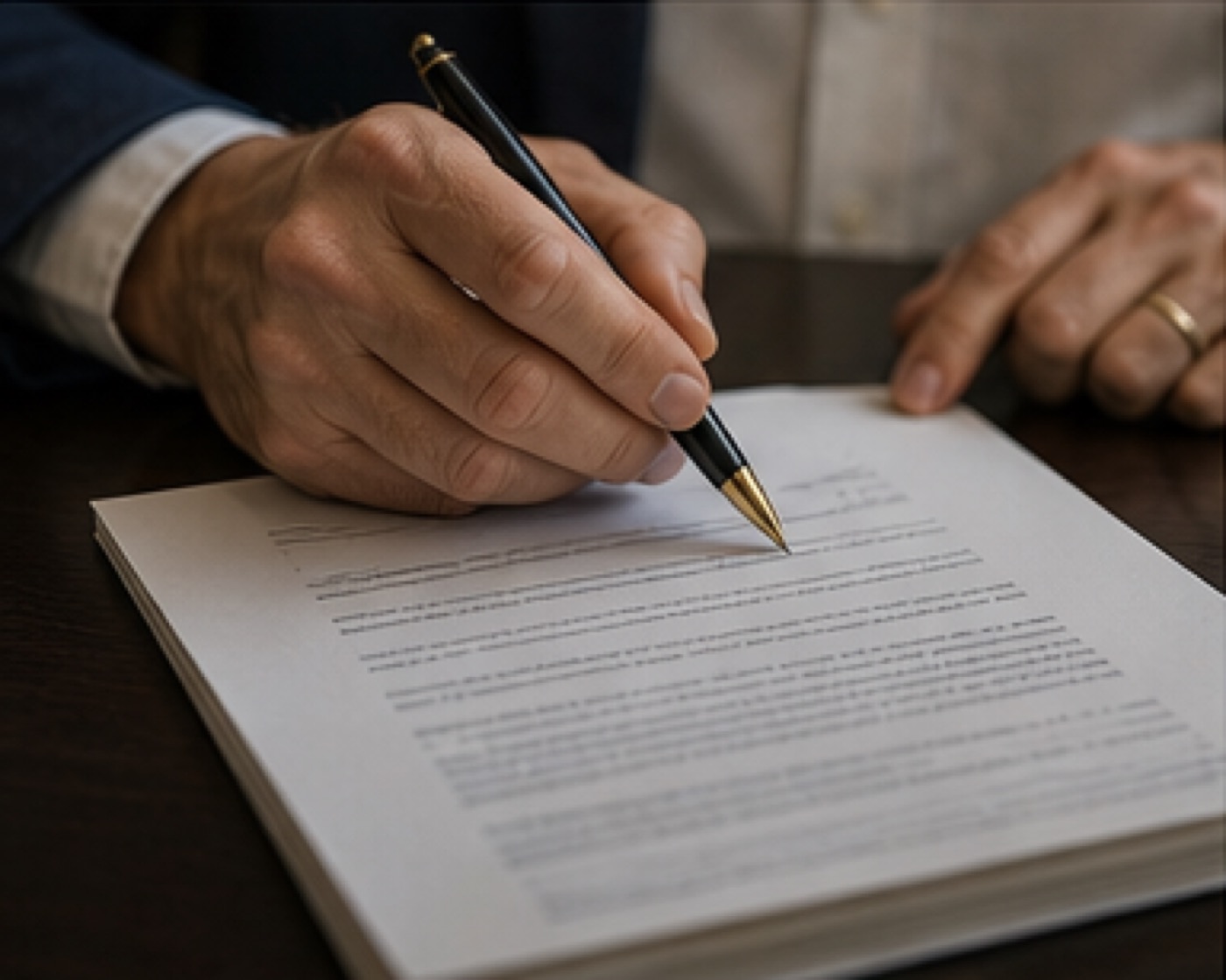
A will is the most basic estate planning document, and for many Oklahoma County families it's the right starting point. Single home, accounts that have valid beneficiary designations, an aligned family, no business or rental complexity: a clear will plus the standard decision-making documents handles the situation well. Oklahoma County District Court processes thousands of probates a year, and a properly drafted will moves through the system on a predictable timeline.
The wills that cause problems are the ones drafted on a form, signed without enough witnesses, witnessed by beneficiaries, missing self-proving affidavits, or lacking contingency language for what happens if a beneficiary predeceases the testator. Oklahoma County's clerks and judges see all of these failures. They don't make probate impossible; they just make it slower, more expensive, and more stressful for the family.
What an Oklahoma County will should cover
A well-drafted Oklahoma will the firm prepares for an Oklahoma County client typically addresses:
- Personal representative (executor): a primary choice and at least one alternate, with bond waived where appropriate.
- Beneficiaries and contingencies: clear distribution language including what happens if a beneficiary predeceases you (per stirpes vs. per capita matters).
- Guardianship for minor children: primary and alternate nominations, plus consideration of who manages financial inheritance separately.
- Children's trust: inheritance held in trust to a sensible age so a young adult doesn't receive a check for a substantial sum on their 18th birthday.
- Specific bequests: identified personal property (firearms, jewelry, family heirlooms, vehicles) that should pass to specific people.
- Self-proving affidavit: witnessed and notarized at signing so probate is admitted without tracking down witnesses years later.
- Pour-over provision if you also have a revocable trust.
Filing and Oklahoma County District Court
When the time comes, the original will is filed with the Oklahoma County Court Clerk to open probate. The probate process is heard at the Oklahoma County District Court, 321 Park Avenue in downtown Oklahoma City. From most Oklahoma County addresses, the courthouse is a 12-to-25 minute drive depending on traffic and origin. We handle the filing and most appearances; family members generally don't need to drive into the courthouse themselves unless there's a specific contested matter.
Oklahoma County offers two main probate paths: full probate and summary administration. Summary administration applies to smaller estates and runs faster and less expensively. Whether your situation qualifies depends on the value of probate-eligible assets, the type of property, and whether all heirs cooperate. We evaluate jurisdiction at the consultation. Read more about Oklahoma probate.
Common Oklahoma County will-based situations
A few patterns we see most often:
- Working family in Del City, Midwest City, or Choctaw: a mortgaged home, modest savings, retirement accounts with named beneficiaries, and minor children. The plan emphasizes a clear will with guardianship language plus the decision-making documents.
- Long-tenured Bethany or Warr Acres homeowner: paid-off home, modest savings, adult children, possibly a transfer-on-death deed for the home to avoid probate of the residence. Will handles the rest.
- Newly relocated Edmond couple: moved to Oklahoma from another state, an out-of-state will that hasn't been reviewed. We update the documents to fit Oklahoma rules and any changes in family situation.
- Single Oklahoma County resident with no spouse and grown children wanting a clear distribution plan that names specific bequests for personal property and clean residue distribution.
- Surviving spouse updating an old will after the loss of a partner, simplifying things for the next generation.
Storage and accessibility for Oklahoma County clients
A signed original Oklahoma will needs to be stored where family can find it and where it won't be lost in a flood, fire, or move. Common options:
- Fireproof box at home: works as long as someone in the family knows where it is and how to access it.
- Safe deposit box: secure, but family typically can't access it without a court order, which delays probate. Use only with appropriate access planning.
- Firm-held original: we can retain the original on your behalf, with copies provided to you and your named executor.